

Whisper of the House
Advertisement
Whisper of the House presents a town where the player handles everyday organisation tasks inside different homes and workspaces. The game places the player in charge of arranging items, sorting boxes and preparing environments for new residents. Each location contains objects that must be placed, removed or categorised in a clear and logical way. Instead of a fixed narrative, the player moves through the town by completing tasks that gradually unlock additional areas. This structure creates a consistent loop based on problem-solving and simple interactions with objects.
Advertisement










Similiar games


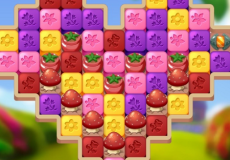


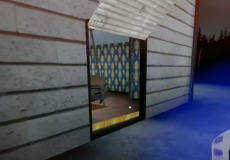

Whisper of the House presents a town where the player handles everyday organisation tasks inside different homes and workspaces. The game places the player in charge of arranging items, sorting boxes and preparing environments for new residents. Each location contains objects that must be placed, removed or categorised in a clear and logical way. Instead of a fixed narrative, the player moves through the town by completing tasks that gradually unlock additional areas. This structure creates a consistent loop based on problem-solving and simple interactions with objects.
Task System And Player Flow
The task system in Whisper of the House operates through requests delivered by residents. Each request defines the room, the required actions and the final goal. The player enters the location, examines the available items and decides how to organise the space. The design focuses on clarity: objects can be rotated, moved or stored depending on the requirements of the task. The player is free to decide on the layout as long as the essential conditions are fulfilled. This gives the game a predictable structure while leaving room for personal decision-making.
In the middle of the experience there is a consistent workflow that repeats across locations. It can be summarised as:
· receive a message with a new request
· travel to the house or room
· evaluate objects and remove unnecessary items
· arrange what remains
· submit the completed task
Interaction With Interiors
Interiors in Whisper of the House vary in size and purpose. Some rooms require simple cleaning, while others involve multi-step organisation. The player may need to return objects to their proper categories, create accessible paths or rearrange furniture for residents who are moving in. Because the placement system does not lock items to predefined points, the player can test multiple layouts until the space feels consistent. This interaction model encourages attention to detail and invites the player to refine organisation methods as the town expands.
Progression And Expansion
Progression is tied to the completion of tasks, which unlocks new houses and public buildings. Each new area introduces a different combination of objects and constraints, increasing the complexity of the player’s decisions. Over time, the list of available items grows, allowing more control over decoration and arrangement. The expanding town gives the player a sense of continuity even without a story-driven structure. As more spaces open up, the player gains long-term motivation to continue improving organisation skills and managing the changing needs of the residents.
Discuss Whisper of the House

