

THE BUTTERFLY
Advertisement
The Butterfly places the player in the role of someone connected to Leila, a character who is described as unwell. The game begins in an intimate environment where everything feels grounded yet strangely fragile. Unlike many horror titles, the sense of discomfort is not immediate but emerges slowly as the player explores. Every step and every interaction seems to carry hidden meaning, suggesting that the story goes deeper than the physical world presented on screen.
Advertisement











Similiar games



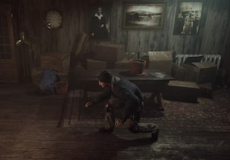




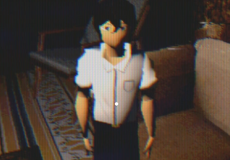

The Butterfly places the player in the role of someone connected to Leila, a character who is described as unwell. The game begins in an intimate environment where everything feels grounded yet strangely fragile. Unlike many horror titles, the sense of discomfort is not immediate but emerges slowly as the player explores. Every step and every interaction seems to carry hidden meaning, suggesting that the story goes deeper than the physical world presented on screen.
How The Game Plays
The Butterfly is designed as a short first-person walking simulator. Movement relies on standard WASD controls, the mouse is used for looking around, and the E key handles interactions with objects. There are no complicated systems to learn, and the minimalism directs attention to the story itself. A complete playthrough typically takes less than half an hour, keeping the experience concise and focused on atmosphere and emotional tone rather than mechanics.
Defining Features Of The Butterfly
· Narrative centered on themes of illness, memory, and fragility
· First-person exploration with simple control mapping
· Short but concentrated runtime of 20–25 minutes
· Visual design inspired by retro aesthetics with a PSX influence
Mood And Atmosphere
The emotional weight of The Butterfly comes from its careful use of environment and pacing. Instead of presenting sudden scares, the game relies on quiet tension, gradual visual changes, and subtle audio cues to build unease. The retro graphical style adds to the feeling of being in a world that is both familiar and unsettling. What begins as an ordinary exploration soon shifts into a more psychological experience, where the player questions what they see and what it represents.
Lasting Experience
The Butterfly succeeds in telling a story that resonates beyond its short playtime. By using a simple framework, it draws focus to heavy themes such as love, illness, and vulnerability, making the horror feel personal rather than external. The brevity of the game works in its favor, ensuring that every interaction, visual detail, and sound cue feels deliberate. When the session ends, players are left reflecting on both Leila’s situation and the broader meaning behind the imagery. This combination of straightforward controls, emotional depth, and narrative focus makes The Butterfly stand out as a compact yet memorable experience on PC.
Discuss THE BUTTERFLY

