

Captured 3
Advertisement
Captured 3 presents a loop-driven experience where the player operates within a repeating interior space that changes slightly with each cycle. The objective is to monitor the environment and determine whether something is out of place. Progress is not tied to exploration in a traditional sense, but to consistency in observation. Each loop acts as a controlled test where the player must rely on memory and comparison rather than new mechanics.
Advertisement









Similiar games

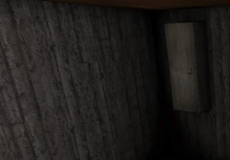
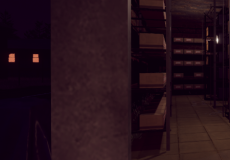


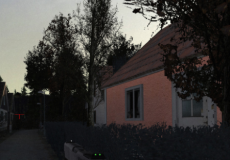
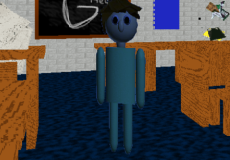
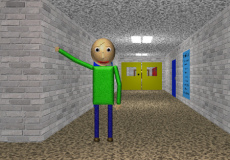
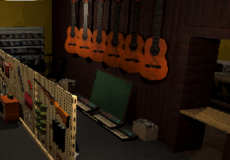
Captured 3 presents a loop-driven experience where the player operates within a repeating interior space that changes slightly with each cycle. The objective is to monitor the environment and determine whether something is out of place. Progress is not tied to exploration in a traditional sense, but to consistency in observation. Each loop acts as a controlled test where the player must rely on memory and comparison rather than new mechanics.
Observation System And Loop Logic
The gameplay is built around identifying anomalies and confirming them through a simple interaction system. The player reviews the space, notes differences from previous loops, and selects the appropriate classification. Incorrect input results in restarting the sequence, which makes attention to detail a critical requirement. The system avoids complexity and instead reinforces repetition as a learning method.
- Changes in object position or state
- Variations in brightness or shadow placement
- Modifications to geometry or room structure
- Temporary visual artifacts or distortions
- Presence of elements that were not there before
These categories define the core tasks within each loop. The player is expected to internalize them and apply consistent logic when evaluating the environment.
Spatial Design And Visual Approach
The setting remains limited in scope, which allows the player to become familiar with its layout over time. This familiarity is necessary for identifying even minor inconsistencies. The visual presentation uses a restrained interface, with most information conveyed directly through the environment. Lighting is deliberately uneven, creating areas where anomalies may be difficult to detect without careful inspection.
Time Pressure And Player Response
Captured 3 introduces pacing constraints through indirect threats and environmental tension. The player cannot remain stationary for long periods, as the system encourages continuous movement and scanning. This creates a balance between speed and accuracy. Moving too quickly increases the likelihood of missing details, while slowing down raises exposure to risk.
The overall structure of Captured 3 is based on repetition with variation. Instead of expanding its mechanics, the game increases difficulty by reducing the visibility of changes and tightening the margin for error. This approach maintains a consistent gameplay model while gradually increasing the demand on player focus.
Discuss Captured 3

