

Let Me Inside
Advertisement
Let Me Inside starts with a detective responding to a case that has no logic. A person has been found dead in an apartment, the door locked from the inside, and the windows showing marks that cannot be explained. The investigation leads nowhere. The only way forward is to stay close to the place where it happened. The detective rents a small house nearby, hoping that distance from the city will help him think. From the first night, the house feels too quiet. The silence is not peaceful; it is expectant. The game begins when the detective realizes that he may not be the only one in the building.
Advertisement













Similiar games







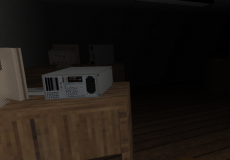

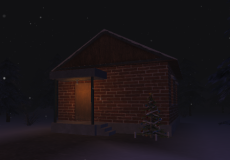
Let Me Inside starts with a detective responding to a case that has no logic. A person has been found dead in an apartment, the door locked from the inside, and the windows showing marks that cannot be explained. The investigation leads nowhere. The only way forward is to stay close to the place where it happened. The detective rents a small house nearby, hoping that distance from the city will help him think. From the first night, the house feels too quiet. The silence is not peaceful; it is expectant. The game begins when the detective realizes that he may not be the only one in the building.
The House as a Boundary
The house functions as a closed system where space and safety are constantly in question. It is divided into a few rooms connected by narrow hallways. Light sources are limited, and the sounds outside shift without pattern. The detective spends time observing, checking doors, and listening through the walls. The player learns through repetition: every sound could be a warning, every quiet moment could be false. The goal becomes survival, not understanding. The house demands patience and attention, treating every move as a decision between waiting and exposure.
The Pattern of the Night
The rhythm of Let Me Inside is built on small routines that repeat and change.
The structure of each night can be outlined as follows:
· Explore the rooms before darkness fully falls.
· Close and check windows and doors in sequence.
· Wait for noise or movement beyond the walls.
· React only when necessary to avoid drawing attention.
· Endure until morning or until intrusion occurs.
This pattern turns familiar domestic actions into instruments of control. The longer the detective remains inside, the less certain he becomes of what is real.
What Comes Through
Over time, the presence outside becomes more deliberate. Footsteps turn into knocks, and whispers become words. The player begins to question whether the intruder is physical or psychological. The house reflects the detective’s isolation, its walls holding both protection and threat. The tension comes from what cannot be verified—sounds with no source, shadows that do not move as they should. The moment of contact arrives without announcement, and once it happens, there is no clear separation between inside and outside.
Discuss Let Me Inside

